Two working faces, one panel
The clear rear glass turns light reflected off the roof or ground into extra output, worth about a tenth again on bright surfaces.
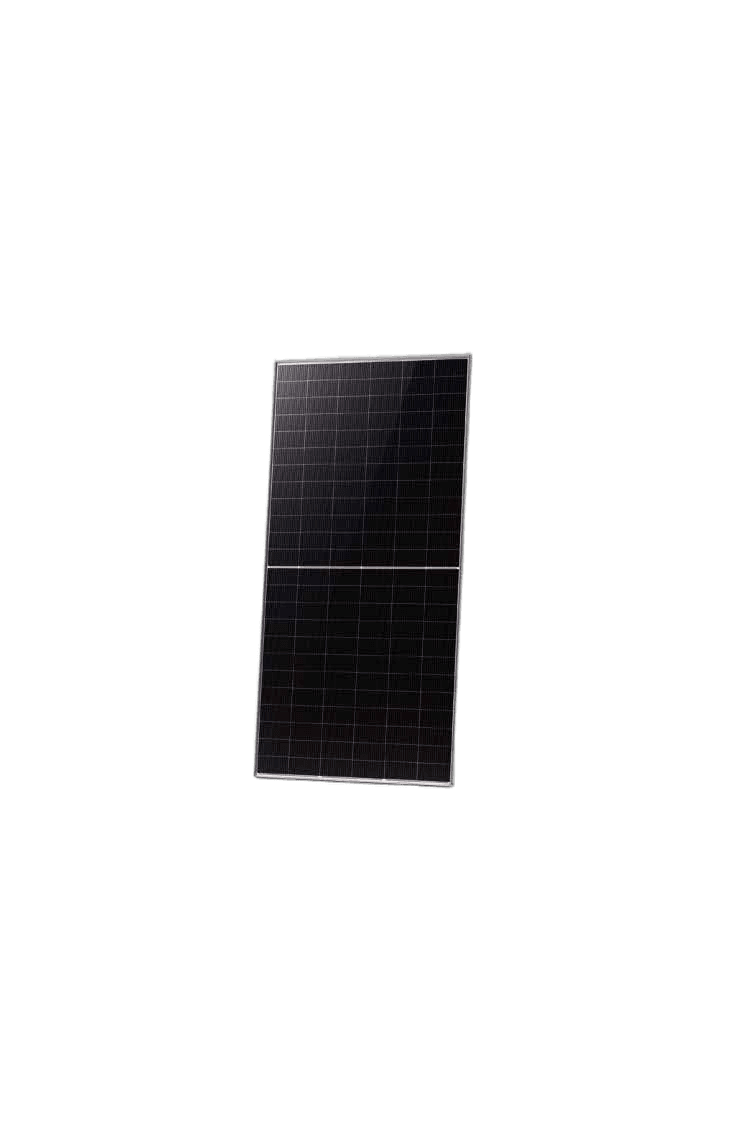
A dual-glass bifacial panel that gathers light on both of its faces, so the same patch of roof or ground quietly returns more energy every year. This model: Module Efficiency 23.02%, Maximum Power (Pmax) 460W.
In stock
A bifacial dual-glass module built on N-type TOPCon cells, compact and light enough for two installers to handle on a pitched roof, a carport canopy or a ground-mounted row. Its clear rear face collects the light bouncing off the surface below, adding roughly a tenth again to the day's harvest over bright ground. Glass on both sides, an anodized aluminium frame and certified snow and uplift loading keep it producing through decades of weather. This model: Module Efficiency 23.02%, Maximum Power (Pmax) 460W.
Specifications last updated 20 August 2026
| Maximum Power - Pmax | 460 W |
|---|---|
| Maximum Power Voltage - Vmp | 31.00 V |
| Maximum Power Current - Imp | 14.84 A |
| Short-circuit Current - Isc | 15.75 A |
| Open-circuit Voltage - Voc | 36.53 V |
| Module Efficiency STC | 23.02 % |
| Power Tolerance | 0 ~ + 3 % |
| Cell Type | N- type Mono-crystalline |
|---|---|
| Number of Cells | 96 (48×2) |
| Dimensions | 1762×1134×30 mm |
| Weight | 24.0 kg |
| Front Glass | 2.0 mm, Anti-reflection Coating |
| Back Glass | 2.0 mm, Heat Strengthened Glass |
| Frame | Anodized Aluminium Alloy |
| Junction Box | IP68 Rated |
| Connector Type | JK03M/JK03M2/Others* |
| Output Cables | 4.0 mm2 |
| Pallet Dimensions | 1792×1140×1249 mm |
| Packing Detail | 37 pcs/pallets, 74 pcs/stack, |
| Temperature Coefficients of Pmax | -0.29 %/°C |
|---|---|
| Temperature Coefficients of Voc | -0.25 %/°C |
| Temperature Coefficients of Isc | 0.045 %/°C |
| Protection Class | Class II |
| IEC Fire Type | Class C |
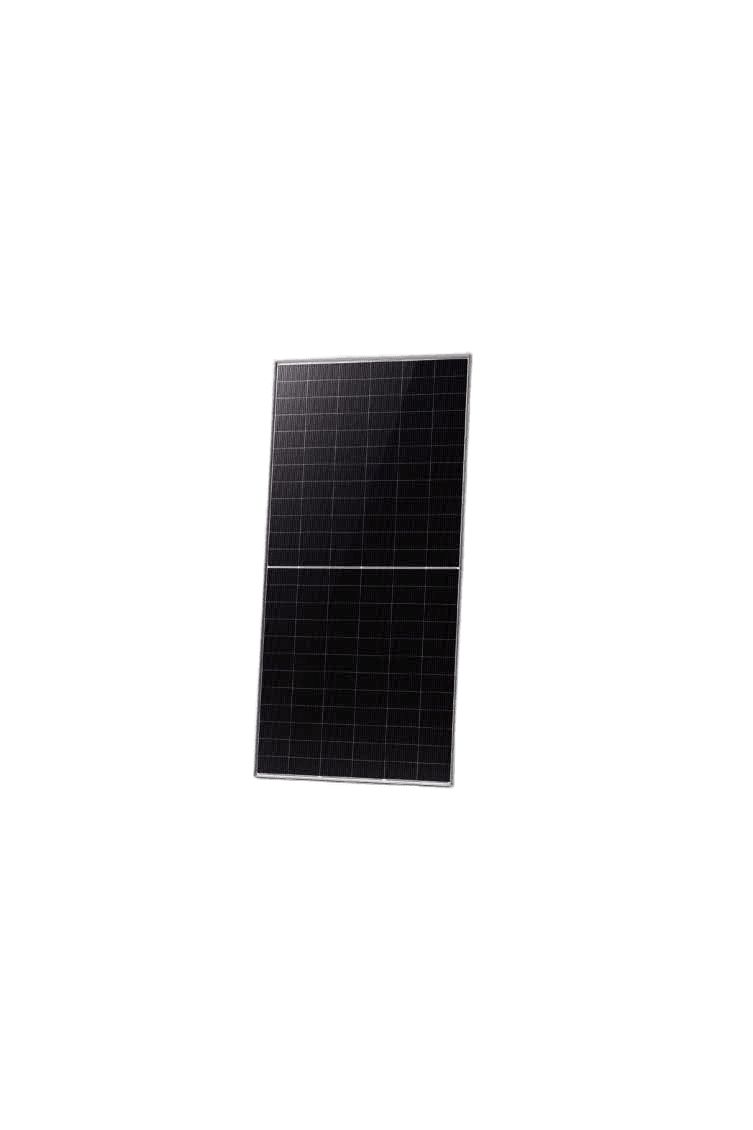
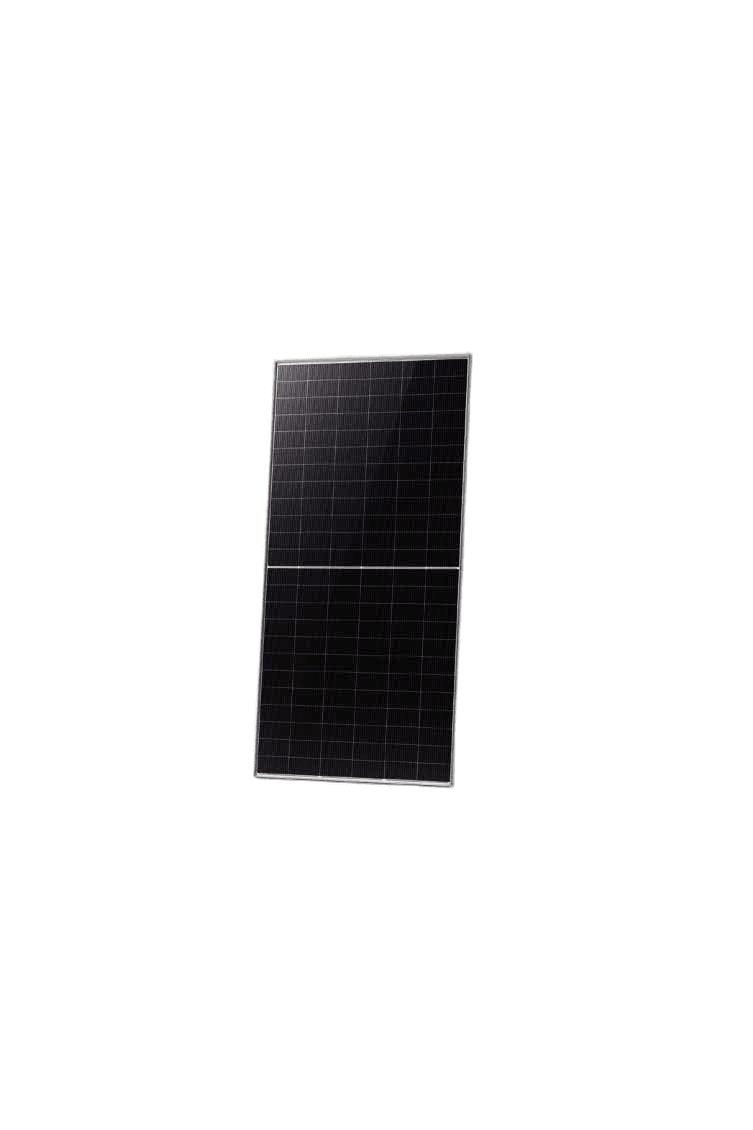
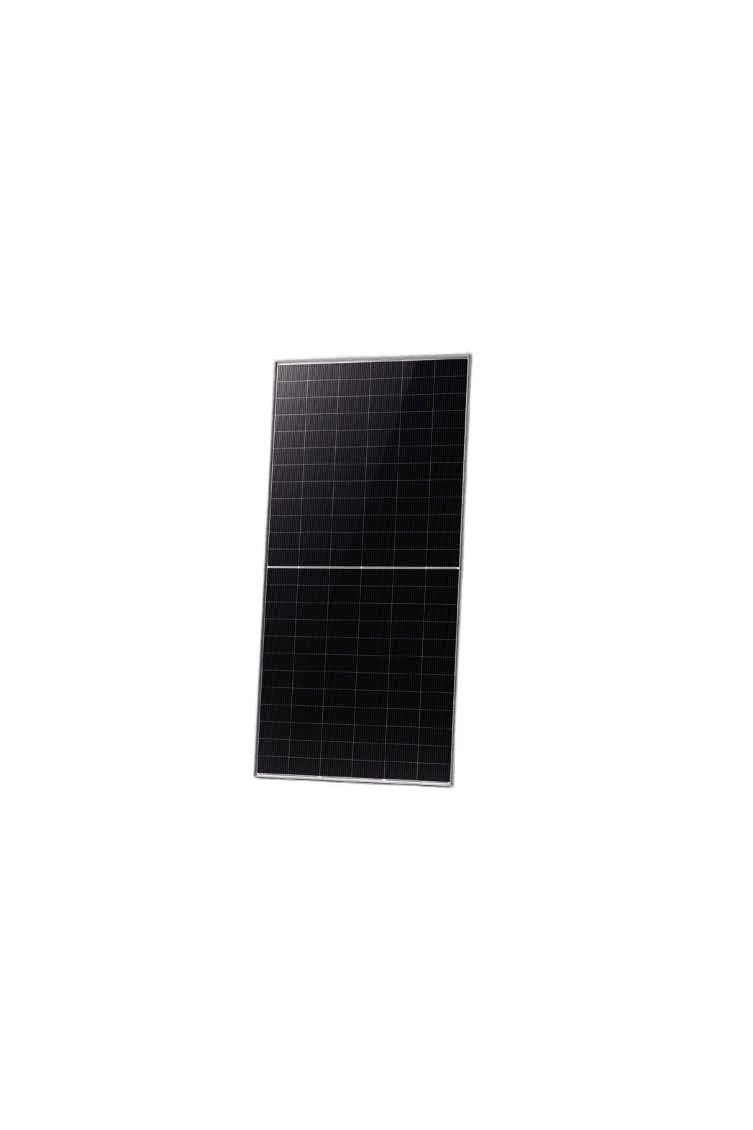
Jinko's datasheets put a real number on the rear face. Here is what bifaciality, albedo and mounting height are worth — and when to buy a mono-facial panel instead.
Read: Bifacial Panels: What the Second Face Actually Earns →Bigger is not automatically better. How Jinko's 445 W to 735 W N-type modules really compare on roof area, string sizing, weight and inverter limits.
Read: How to Choose Solar Panel Wattage for Your Roof →Cell chemistry in plain language — LID, PID, temperature coefficient and the degradation curve — read off Jinko's own N-type datasheets, including where N-type is not worth paying for.
Read: N-Type vs P-Type Solar Panels: The Year-Ten Difference →It depends on what sits beneath the panel. The rear face converts light at about 80% of the front's efficiency, and under the published bifacial test conditions the module measures roughly 10-11% above its front-only rating. Light gravel, a white membrane roof or a raised ground mount give the most; a dark roof sitting flush to the tiles gives the least.
15 years on the product itself against manufacturing and material defects, and 30 years on performance: no more than 0.40% loss in the first year, with 87.4% of the rated output still guaranteed in year thirty.
Each module measures 1762 x 1134 x 30 mm and weighs 24 kg - a comfortable two-person lift, and short enough to sit portrait on most domestic roofs. The 30 mm anodized frame takes standard clamps and is certified for 6000 Pa of front load and 4000 Pa of rear uplift, so it suits snowy and windy sites alike.