Still working in weak light
The enhanced N-type cell structure keeps the panel producing at dawn, at dusk and under cloud, not only at midday.
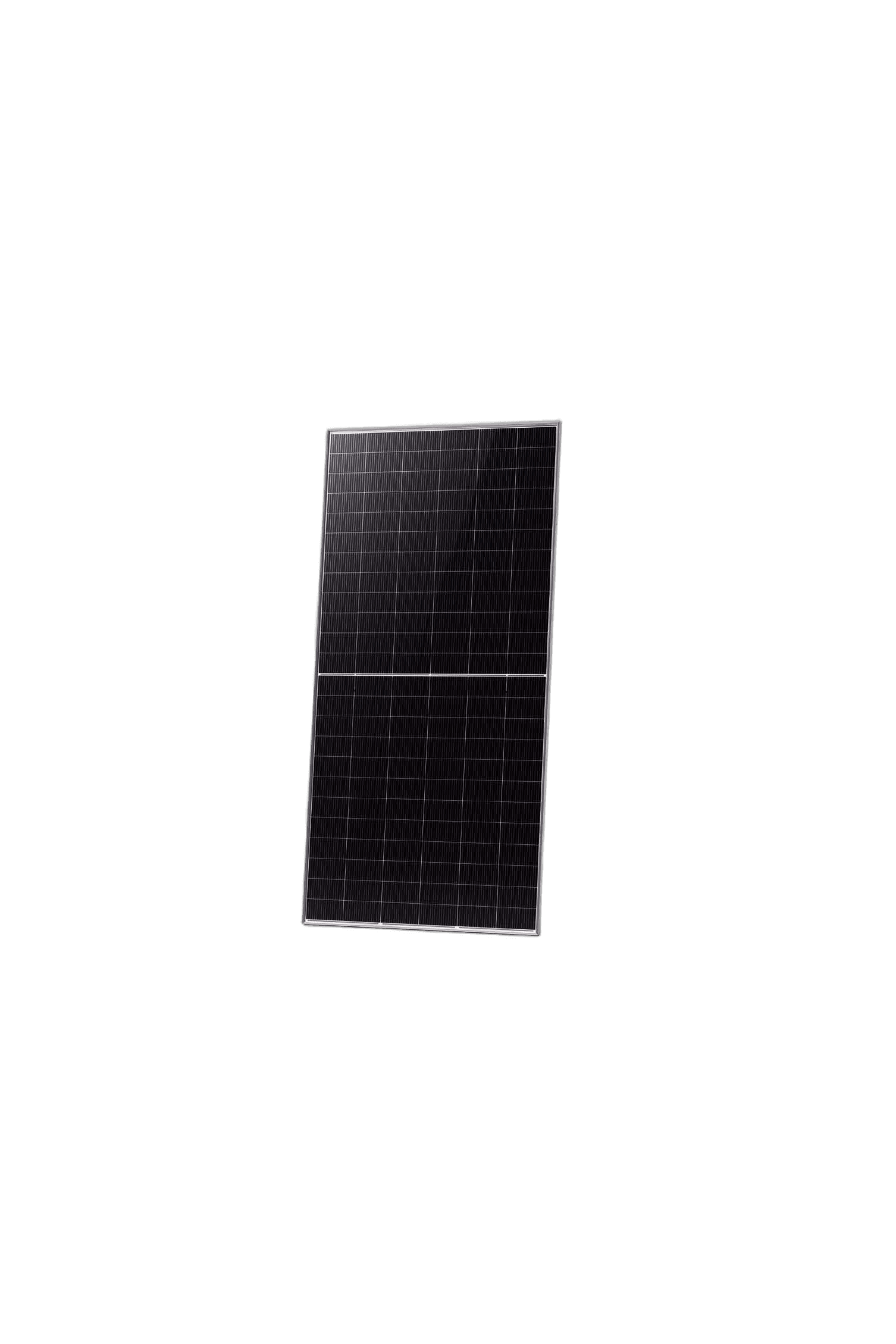
A dual-glass N-type panel sized for real rooftops — steady output through high heat and weak light, backed by three decades of guaranteed power. This model: Module Efficiency 23.38%, Maximum Power (Pmax) 525W.
In stock
Built on Jinko's N-type TOPCon cell platform, this mono-facial module is sealed between two panes of glass — anti-reflective in front, heat-strengthened behind — instead of a plastic backsheet. Its compact 54-cell frame stays under 28 kg, easy to lift onto villa and warehouse roofs, and it is rated for 5400 Pa of front load and certified against salt mist, ammonia and blowing sand — the conditions coastal and desert sites actually deliver. This model: Module Efficiency 23.38%, Maximum Power (Pmax) 525W.
Specifications last updated 20 August 2026
| Maximum Power - Pmax | 525 W |
|---|---|
| Maximum Power Voltage - Vmp | 33.98 V |
| Maximum Power Current - Imp | 15.45 A |
| Short-circuit Current - Isc | 16.24 A |
| Open-circuit Voltage - Voc | 39.78 V |
| Module Efficiency STC | 23.38 % |
| Cell Type | N- type Mono-crystalline |
|---|---|
| Number of Cells | 216 (54×4) |
| Dimensions | 1980×1134×30 mm |
| Weight | 27.5 kg |
| Front Glass | 2.0 mm, Anti-reflection Coating |
| Back Glass | 2.0 mm, Heat Strengthened Glass |
| Frame | Anodized Aluminium Alloy |
| Junction Box | IP68 Rated |
| Connector Type | JK03M/JK03M2/Others* |
| Output Cables (Including Connector) | ≥4.0 mm² |
| Power Sorting | 0 ~ + 3 % |
| Temperature Coefficient of Pmax | -0.26 %/°C |
| Temperature Coefficient of Voc | -0.24 %/°C |
| Operating Temperature | - 40 °C to +70 °C* |
| Maximum Series Fuse Rating | 30 A |
| Temperature Coefficient of Isc | 0.046 %/°C |
| Protection Class | Class II |
|---|---|
| IEC Fire Type | Class C |
| Maximum System Voltage | 1500 V DC (IEC) |
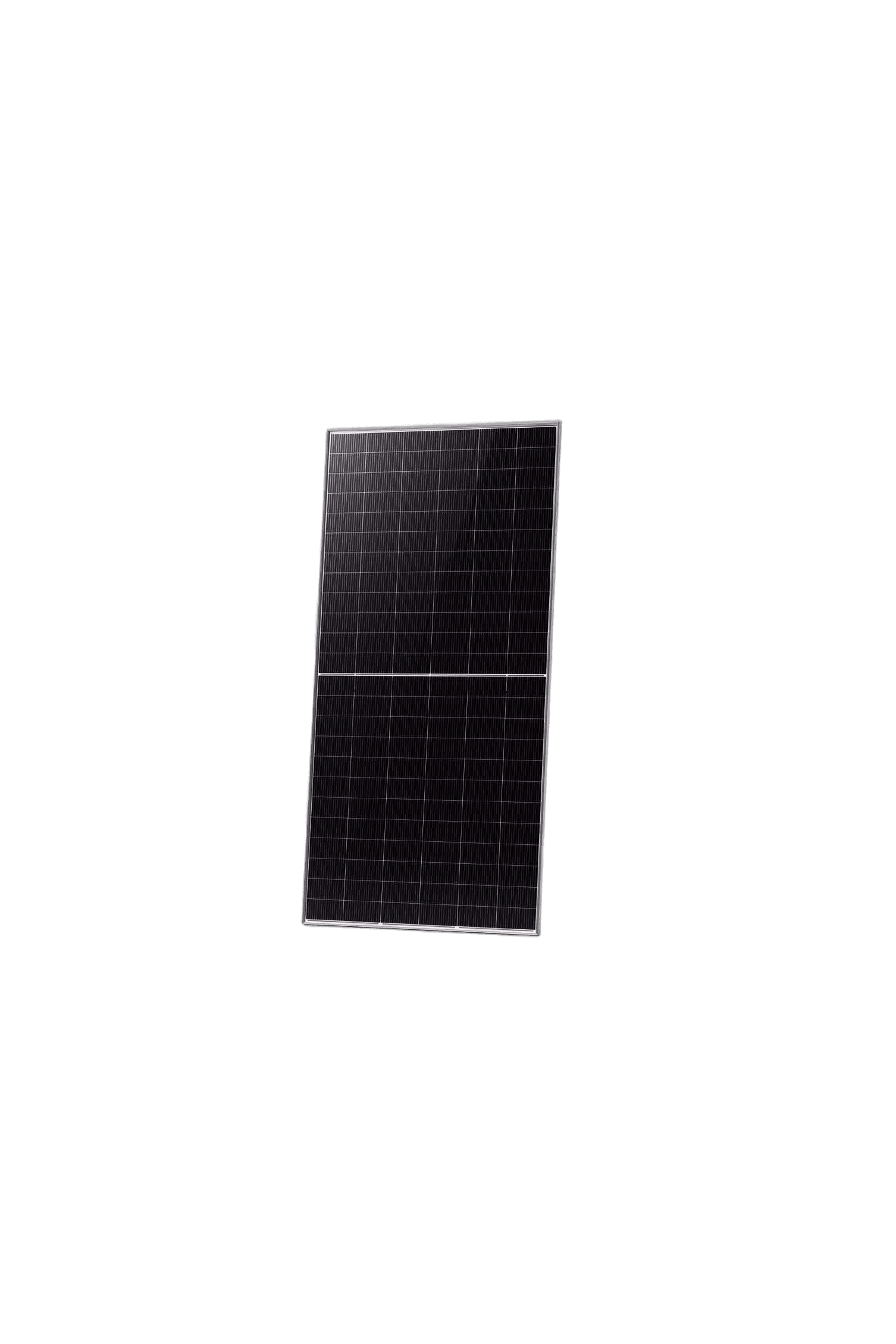
Bigger is not automatically better. How Jinko's 445 W to 735 W N-type modules really compare on roof area, string sizing, weight and inverter limits.
Read: How to Choose Solar Panel Wattage for Your Roof →Cell chemistry in plain language — LID, PID, temperature coefficient and the degradation curve — read off Jinko's own N-type datasheets, including where N-type is not worth paying for.
Read: N-Type vs P-Type Solar Panels: The Year-Ten Difference →No. It has glass on both faces, but this family is mono-facial: the rear glass is there for durability, not rear-side generation, so it can be mounted close to a roof without giving up any promised gain. Jinko's bifacial modules are the ones carrying BDV or BDX in the model code.
Each module measures 1,980 × 1,134 × 30 mm and weighs 27.5 kg — a comfortable two-person lift on standard rails. They ship 36 to a pallet, two pallets to a stack, and 864 in a 40 ft high-cube container.
Jinko warrants the product itself for 15 years and its power output for 30 years: no more than 1% degradation in the first year, then a maximum of 0.35% per year, leaving at least 88.85% of rated power in year 30.